Meta Ads for Breweries: A Geo-Targeted Playbook for Taprooms and Brewpubs

Share the page:
TL;DR Meta advertising on Facebook and Instagram is the most accessible and measurable paid channel for driving foot traffic to taproom breweries and brewpubs. Unlike Google Ads, Meta allows breweries to target by radius, interest, behavior, and lookalike audience simultaneously, reaching potential visitors who are not actively searching but are highly likely to become regulars. In 2026, with craft beer production volumes declining approximately five percent year-over-year while retail dollar sales grow three percent to $28.9 billion, the breweries capturing market share are those investing in proactive audience building rather than relying on reactive search advertising alone. This article covers the complete Meta ads playbook for brewery operators: campaign types, audience targeting, ad formats, budget frameworks, and measurement
Introduction: Why Meta Ads Are Built for Taproom Marketing
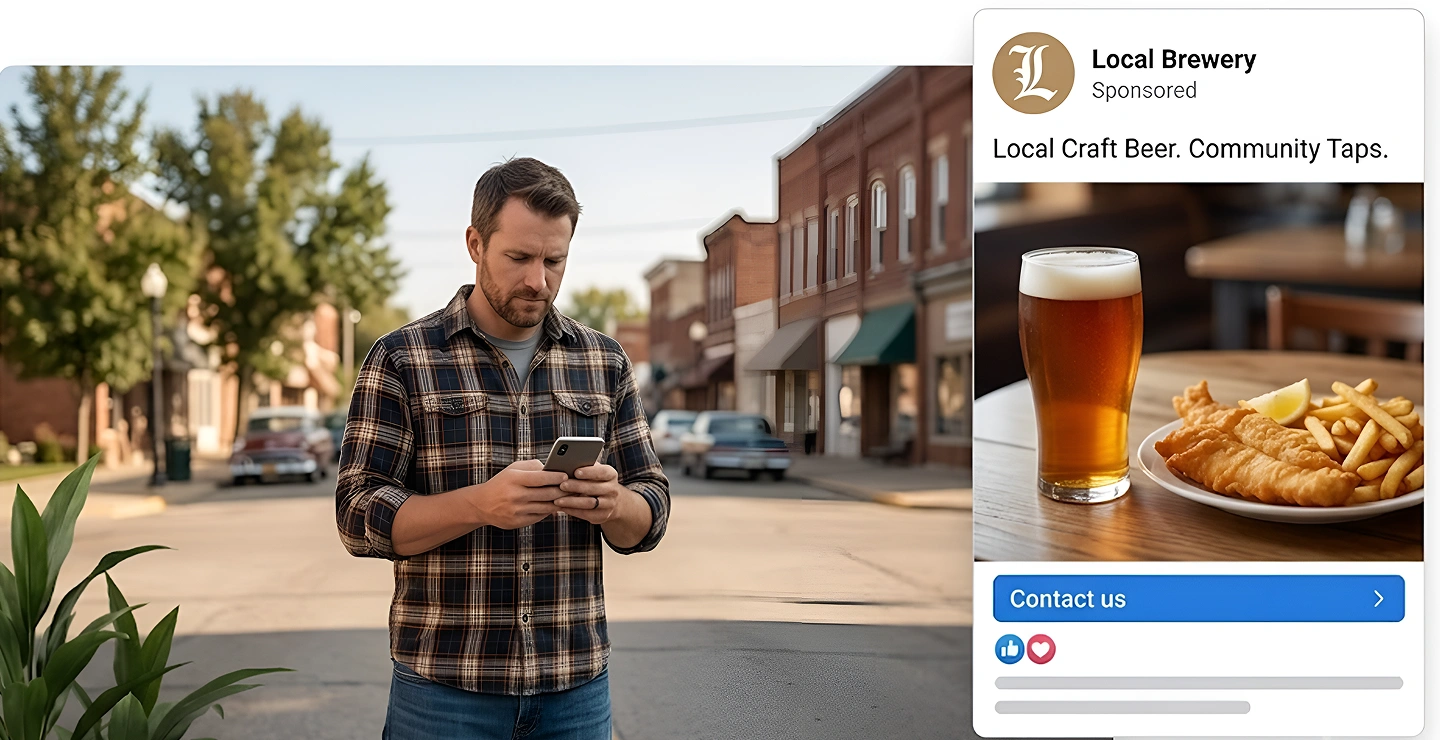
Google Ads captures demand that already exists, reaching people actively searching for breweries near them. Meta Ads creates demand, reaching craft beer enthusiasts, local residents, and food-and-drink audiences who have not yet thought about visiting your taproom but are exactly the kind of people who should. For taproom breweries and brewpubs that generate revenue from foot traffic and repeat visits rather than distribution, demand creation is at least as important as demand capture.
Instagram and Facebook together reach the full spectrum of brewery customer segments: the craft beer enthusiast aged 25 to 44 who follows beer accounts on Instagram, the neighbourhood family looking for a weekend activity on Facebook Events, and the corporate group organizer researching venues for a happy hour. A well-structured Meta advertising program reaches all three with different creative and different objectives, all within a $500 to $2,000 monthly budget that most taproom operators can sustain without stretching their marketing resources.
What Campaign Types Should Breweries Run on Meta in 2026?
Meta's campaign objective structure has evolved significantly since 2021, and the current best-practice architecture for brewery operators differs from what worked three years ago. In 2026, brewery Meta campaigns should be built around three objectives: Awareness for event promotion and brand building, Engagement for event RSVPs and community interaction, and Store Traffic for direct foot traffic with measurement tied to the verified physical location.
The most common mistake brewery operators make with Meta ads is running a single boosted post without a defined audience, objective, or conversion measurement. Boosting posts is the least efficient use of paid social budget. Structured campaigns with defined audiences, optimized placements, and proper conversion tracking deliver three to five times better results at the same spend level.
Key Takeaway: Store Traffic campaigns with a verified physical location in Meta Business Manager provide the only direct measurement of ad spend to taproom visits. Setting up this location verification is the most important technical step for any taproom operator advertising on Meta.
How Should Breweries Build Audiences for Meta Ad Targeting?
Audience targeting is where Meta's advertising platform provides the most value for brewery operators. Unlike search advertising, which reaches only users who typed a specific query, Meta allows layered targeting that combines geographic radius, demographic filters, interest categories, and behavioral signals simultaneously, producing a highly qualified local audience at a fraction of Google Ads cost per click.
For taproom breweries, the foundational audience structure uses a 10 to 15 mile radius around the taproom location, layered with beer and food-and-drink interest categories, and refined by age. This core audience is then supplemented with lookalike audiences built from customer email lists and website visitors, and retargeting audiences built from profile visitors, event responders, and video viewers.
Key Takeaway: Building a lookalike audience from your loyalty program email list is the highest-precision targeting option available on Meta for taproom breweries. It reaches people who behaviorally resemble your best existing customers rather than anyone who happens to have a beer interest tag on their profile.
Which Ad Formats Perform Best for Brewery Foot Traffic Goals?
Meta offers multiple ad formats, but for taproom breweries focused on foot traffic three formats consistently outperform the others: video ads for awareness and event promotion, carousel ads for beer showcases and event roundups, and single-image ads for direct-response event announcements. The creative principles that work for brewery advertising differ from e-commerce categories. Authenticity, atmosphere, and community are more persuasive for craft beer audiences than polished production value.
Video ads showing the taproom atmosphere, running 15 to 30 seconds of the space, the people, and the beer being poured, outperform static images by two to three times for awareness objectives. Raw, authentic footage shot on a smartphone consistently outperforms studio-produced video for craft beer audiences, who respond to genuine community atmosphere rather than advertising polish.
Key Takeaway: The first three seconds of a video ad determine whether a user continues watching or scrolls past. Lead with the most visually engaging moment available: a full pint being poured, a crowded trivia night, or a bartender introducing a new seasonal release with visible enthusiasm.
What Should a Monthly Meta Ads Budget Look Like for a Taproom Brewery?
Budget allocation for Meta ads depends on market competitiveness, taproom size, and the mix of objectives. Event promotion requires different budget timing than evergreen awareness campaigns. The framework below is designed for taproom breweries spending $500 to $3,000 per month on Meta advertising, covering the range from a single-location small-city taproom to a multi-location regional craft brewery.
The most important budget principle for brewery operators is event-tiered spending. Increase budget by two to three times in the 72 hours before a major event such as a beer release, seasonal festival, or trivia night launch, and reduce to maintenance spend between events. This rhythm produces the best cost-per-attendee metrics and avoids audience fatigue from running the same creative at constant spend over extended periods.
Key Takeaway: Never divide a monthly budget evenly across 30 days. A taproom with $1,000 per month in Meta ad budget generates significantly better results concentrating $600 in event-week bursts and spending $400 on always-on awareness than it does spending $33 per day uniformly regardless of what is happening at the taproom.
Frequently Asked Questions
How much should a taproom brewery spend on Meta ads per month?
A single-location taproom in a small to mid-size city can generate measurable foot traffic lift with $500 to $800 per month. A brewpub in a competitive urban market typically needs $1,200 to $2,500 per month to maintain consistent visibility. Multi-location regional craft breweries should budget $800 to $1,500 per location per month as a starting point. Event-based spending spikes for beer releases and seasonal festivals are separate from the evergreen monthly budget.
Should I boost posts or run structured Meta ad campaigns for my brewery?
Run structured campaigns. Boosting posts costs the same as structured campaigns but delivers a fraction of the results because you sacrifice audience targeting precision, placement optimization, conversion tracking, and A/B testing capability. The 15 minutes required to set up a proper campaign rather than pressing Boost Post pays back in substantially better cost per visit and measurable attribution.
How do I measure whether Meta ads are actually driving taproom visits?
Use three measurement layers: Meta's Store Traffic optimization if your location is verified in Business Manager, website visit tracking via Meta Pixel for all click-through calls to action, and post-campaign survey prompts at the taproom asking visitors how they heard about the event. For events, compare RSVP count and actual attendance to ad spend for a direct cost-per-attendee calculation that requires no technical setup.
Is Instagram or Facebook more effective for taproom advertising?
Instagram delivers better results for visual content including taproom atmosphere, beer photography, and events, with a younger demographic aged 25 to 40. Facebook delivers better results for event promotion, community group engagement, and reaching the 40 to 60 demographic. In 2026, Meta's automatic placements across both platforms generally outperform manually splitting budget between them, because the algorithm optimizes delivery in real time based on where specific audiences are most responsive to your creative.
Conclusion: Build the Audience Before You Need It
The taproom breweries filling seats in 2026 are the ones that built their Meta advertising audiences during quieter periods so that when a major beer release or seasonal festival arrives, they can reach an already-warm, already-targeted group of local craft beer enthusiasts at lower cost and higher conversion. Reactive advertising by boosting a post the day before an event is the most expensive way to run paid social. Proactive audience building, evergreen awareness campaigns, and event-tiered budget spikes are the playbook that delivers sustainable foot traffic growth.
Ready to build a Meta advertising program for your taproom or brewpub? Explore our Paid Advertising and Social Media Marketing services to create a geo-targeted campaign structure that drives real foot traffic and measurable return on every event you promote.
Stay Ahead - Subscribe Now!
You may also be interested
Is Your Brewery Website Invisible to ChatGPT? Signs It's Not AI-Ready
A retrieval-first diagnostic: which OpenAI bot you are blocking, whether your CDN decided it for you, and which of the usual AI-readiness warnings actually hold up.
Can a Brewery Deliver or Ship Beer? What the Rules Allow
Delivery and shipping are different things and the law treats them differently. Where a brewery may ship, what a compliant shipment requires, why the post office is never the answer, and what the nine-province Canadian agreement does and does not do yet.
How to Rank a Brewery on Google Maps
Google names three factors behind every map pack result. Two of them a brewery can move, one it never can, and the highest-leverage setting on the whole profile takes about two minutes to change.

Google Ads for Breweries: When Paid Search Beats Paid Social
A practical guide to paid search for taproom breweries: real category benchmarks, the alcohol policy rules that decide which campaign types you can run, and the intent split that tells you when to spend on Google instead of Meta.
Beer Can Design That Sells: Shelf Impact for Craft Packaging
What a can is really competing against, the one thing that should stay constant across a range, how the decoration method sets your minimum order, and what to hand a designer
What Actually Breaks on a Brewery Website, and What Maintenance Covers
The honest inventory of what decays on a brewery website, why plugins carry the risk on WordPress, what breaks on hosted builders instead, what a plan costs, and what you can do yourself
Brewery Website Migration: How to Move Platforms Without Losing Your Rankings
When a brewery actually needs to change platforms, what a migration genuinely puts at risk, the URL map that has to exist before anything moves, and the checks that close it out
Brewery Email Marketing: The Four Sends That Earn Their Keep
Why the newsletter is the weakest thing you can do with a brewery list, the four sends that replace it, where the names actually come from, and the two numbers worth reporting
Should Your Taproom Run a Chatbot?
What a taproom chatbot would actually be asked, what the 2026 data says about how chatbots perform, why the tap list is the worst thing to put in one, the narrow cases where it does pay, and what to fix instead
Beer Photography for Small Breweries: What to Shoot and When
What a small brewery actually needs photographs of, why a beer shot takes longer than it looks, what a half-day and a full day cost and deliver, which images have a window that closes, and how to write a brief
What a Brewery Website Costs, and What Drives the Number
Why quotes for the same brewery website vary by three times, what makes a taproom site structurally different from a brochure site, which decisions actually move the price, what you pay after launch, and how to compare quotes fairly

Choosing a Taproom POS: What to Ask Before You Sign
What a brewery POS has to do that a restaurant POS does not, why the processing rate matters more than the subscription, what is actually in the contract, who owns your data when you leave, and the questions to ask before signing
Which Taproom Workflows to Automate First
Which taproom workflows actually repeat often enough to justify automating, why federal compliance reporting is the highest-value target, what to connect after that, what to leave alone, and the order to do it in

Beer Label Design: What the Regulator Requires Before the Designer Starts
What the TTB requires on every beer label, how long approval actually takes in 2026, which rules constrain the artwork itself, what really delays a launch, and the brief a designer needs before starting
How to Start a Brewery: The Digital Foundations to Get Right First
What the federal and state approval timeline actually looks like in 2026, why your brewery name is a digital decision before it is a branding one, what to build during the approval window, and what has to be live before your first pour

The Three-Tier System, Explained for Brewery Marketers
Why the three-tier system exists, which marketing activities it forbids outright, exactly what a brewery may legally give a retailer and up to what value, why beer is treated differently from wine and spirits, and which channel you fully control
What Is a Mug Club? How Taprooms Build Recurring Revenue from Members
What a mug club is, how it differs from a points program, what the membership fee actually buys a taproom, the liquor-law rules that decide how you structure it, and how to publish the club so it can be found

ABV, IBU and SRM Explained: The Numbers on Your Tap List
What ABV, IBU and SRM actually measure, why the IBU number misleads drinkers, what the TTB requires you to print, and how to publish the specs so search engines and AI assistants can read them

Craft Beer Consumer Behavior in 2026: What the Data Means for Your Marketing Budget
How the major craft beer consumer behavior shifts of 2024 to 2026 translate into practical marketing budget decisions for taproom breweries, brewpubs, and microbreweries
Brewery Tourism Marketing: How to Attract Out-of-Town Visitors and Drive Weekend Traffic
How taproom breweries can attract out-of-town visitors, rank in tourism discovery platforms, and build the partnerships that drive consistent weekend traffic from the tourist segment in 2026
Brewery Loyalty Programs: Do Points and Perks Actually Drive Repeat Visits?
An evidence-based guide to brewery loyalty program mechanics, platform options, and ROI measurement for taproom operators considering whether and how to launch a customer loyalty program in 2026
Brewery Events as a Revenue Engine: How to Promote, Price, and Measure
How taproom breweries and brewpubs can promote, price, and measure events as a primary revenue engine rather than a secondary marketing activity in 2026
Brewery Merchandise and Secondary Revenue: How to Market Beyond the Pint
How taproom breweries and brewpubs can market merchandise, crowler programs, and beer club memberships as both a revenue diversification tool and a customer loyalty driver in 2026
12 Things Killing Your Local Search Rankings Right Now
A 12-point self-audit guide for brewery operators to identify and fix the website issues most commonly responsible for poor local search rankings and limited AI search visibility in 2026

Marketing Non-Alcoholic Beer: How Craft Breweries Can Capture the Sober Curious Consumer
How craft breweries can market non-alcoholic beer lines to sober-curious consumers, health-conscious drinkers, and younger demographics to capture the fastest-growing segment in the craft beer market in 2026
.webp)
Brewpub Marketing Strategy: How to Fill Both the Bar and the Dining Room
How brewpubs can use digital marketing to fill both the dining room and the bar by marketing the food and beer experience as a unified destination rather than two separate offerings
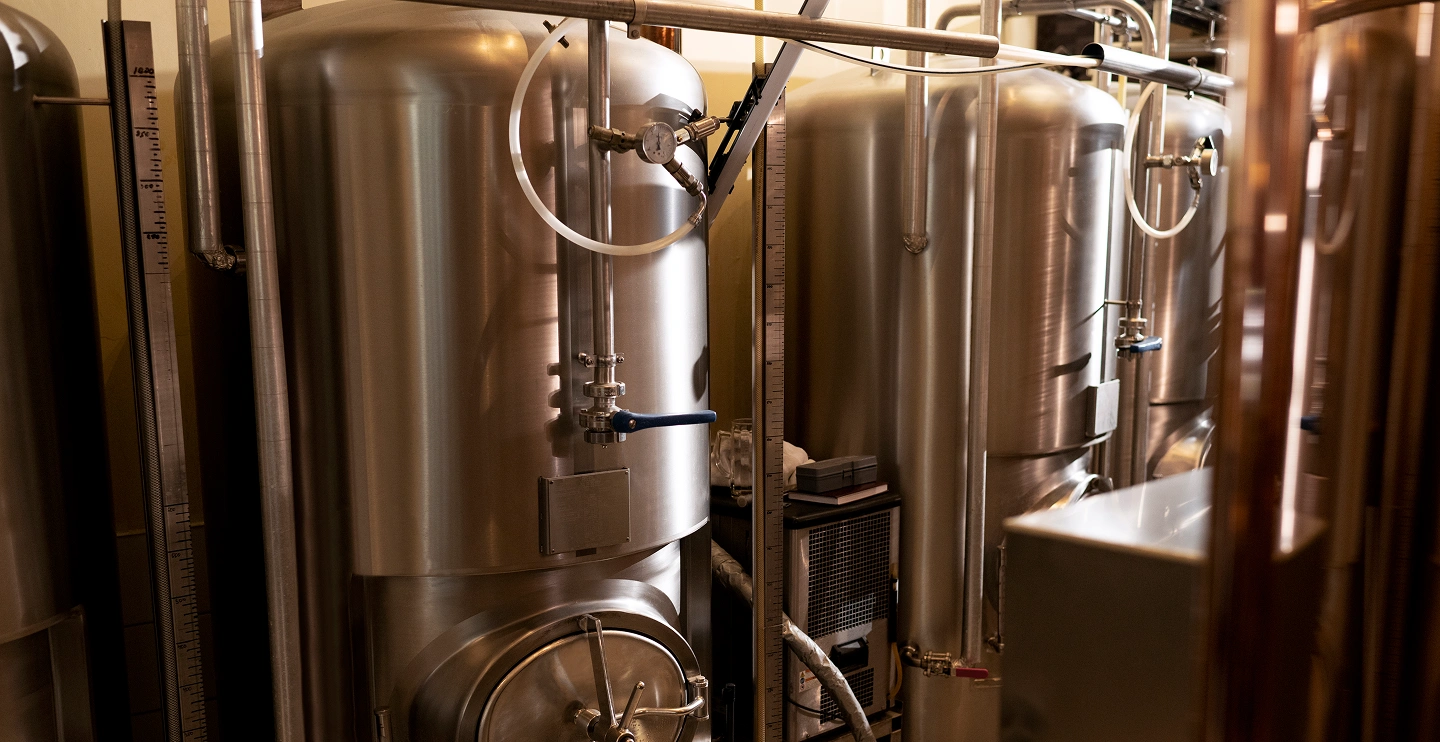
Microbrewery Marketing in a Shrinking Distribution Market: What to Do When Shelf Space Disappears
How microbreweries facing shrinking distributor interest and tightening shelf space can use digital marketing to differentiate their brand and pivot toward direct-to-consumer channels in 2026

Brewery Social Media Strategy for 2026: Instagram, Facebook, and When to Bother with TikTok
A platform-by-platform social media strategy for taproom breweries and brewpubs in 2026, covering Instagram, Facebook, and TikTok with content mix ratios and posting cadence

Brewery Content Marketing in 2026: What to Publish, When, and Why It Works
What to publish, when to publish it, and why a structured content marketing program is the highest-ROI long-term investment available to brewery operators in 2026
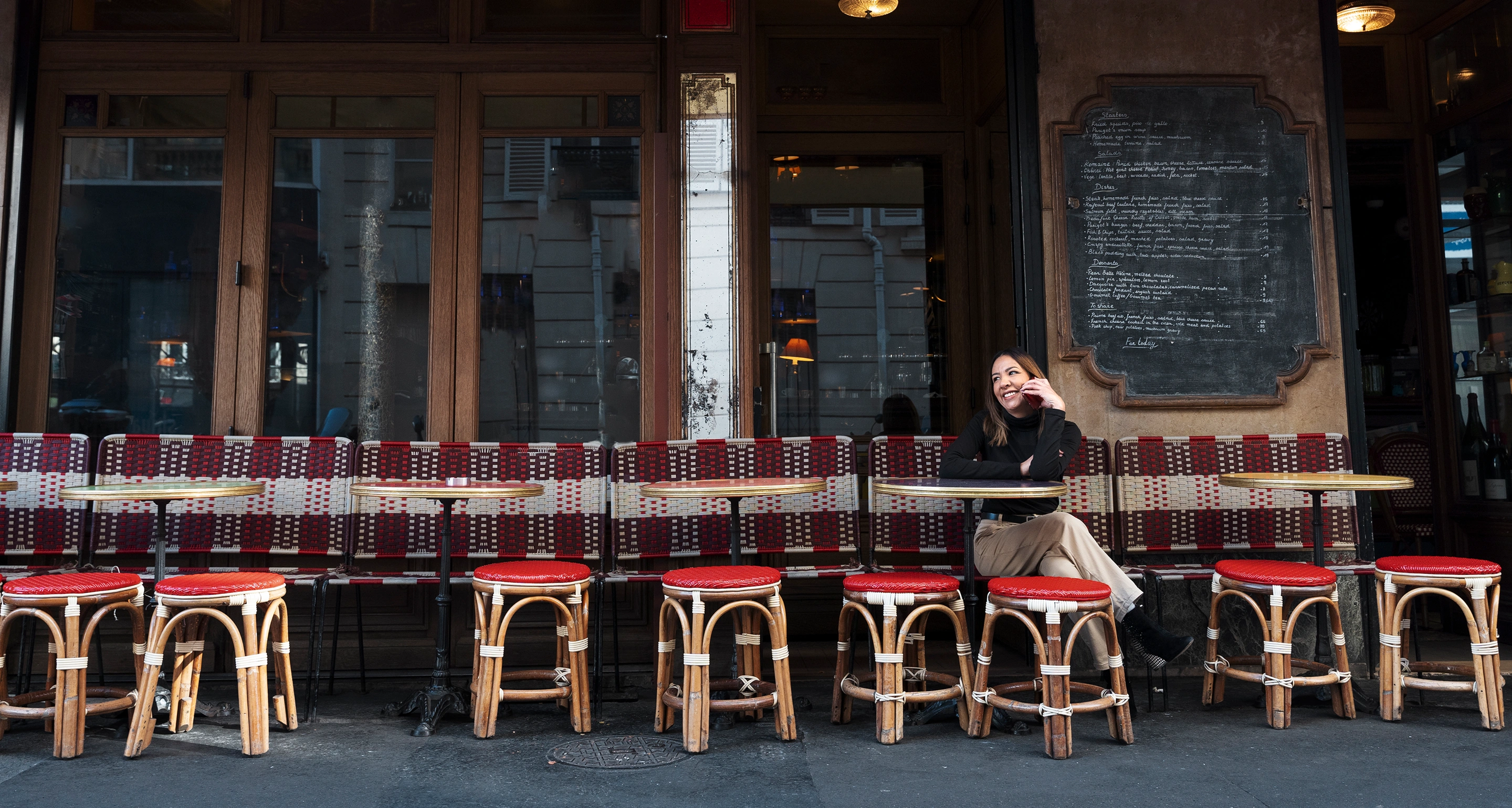
Multi-Location Brewery SEO: How Regional Craft Breweries Rank in Every Market
How regional craft breweries operating multiple taprooms can build an SEO architecture that ranks independently in every local market without cannibalizing results.
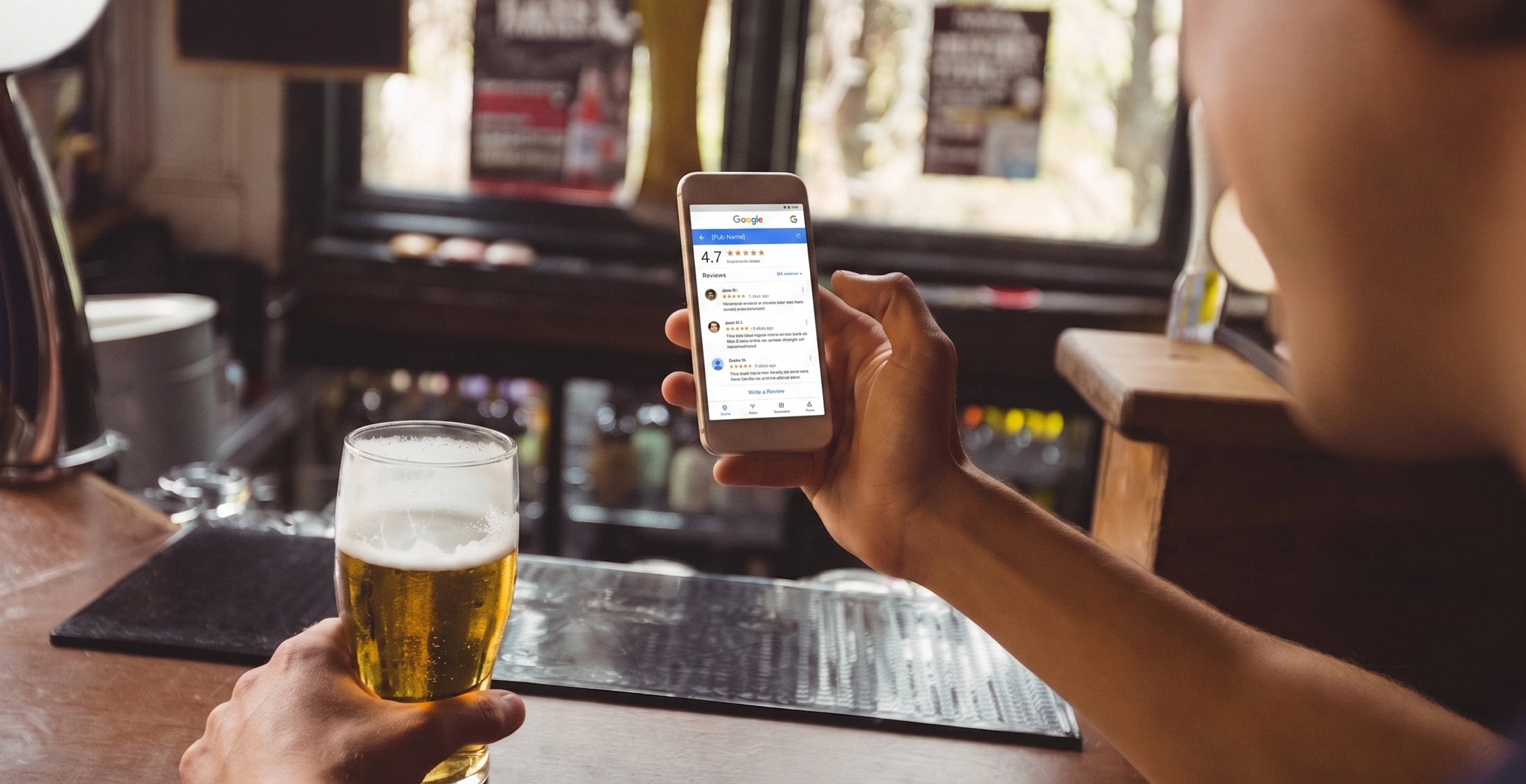
Brewery Review Marketing: How to Turn Guest Feedback into Local Search Fuel
Google reviews are the number two local ranking factor for breweries. Learn how to generate, respond to, and optimize reviews for local search and AI search visibility.
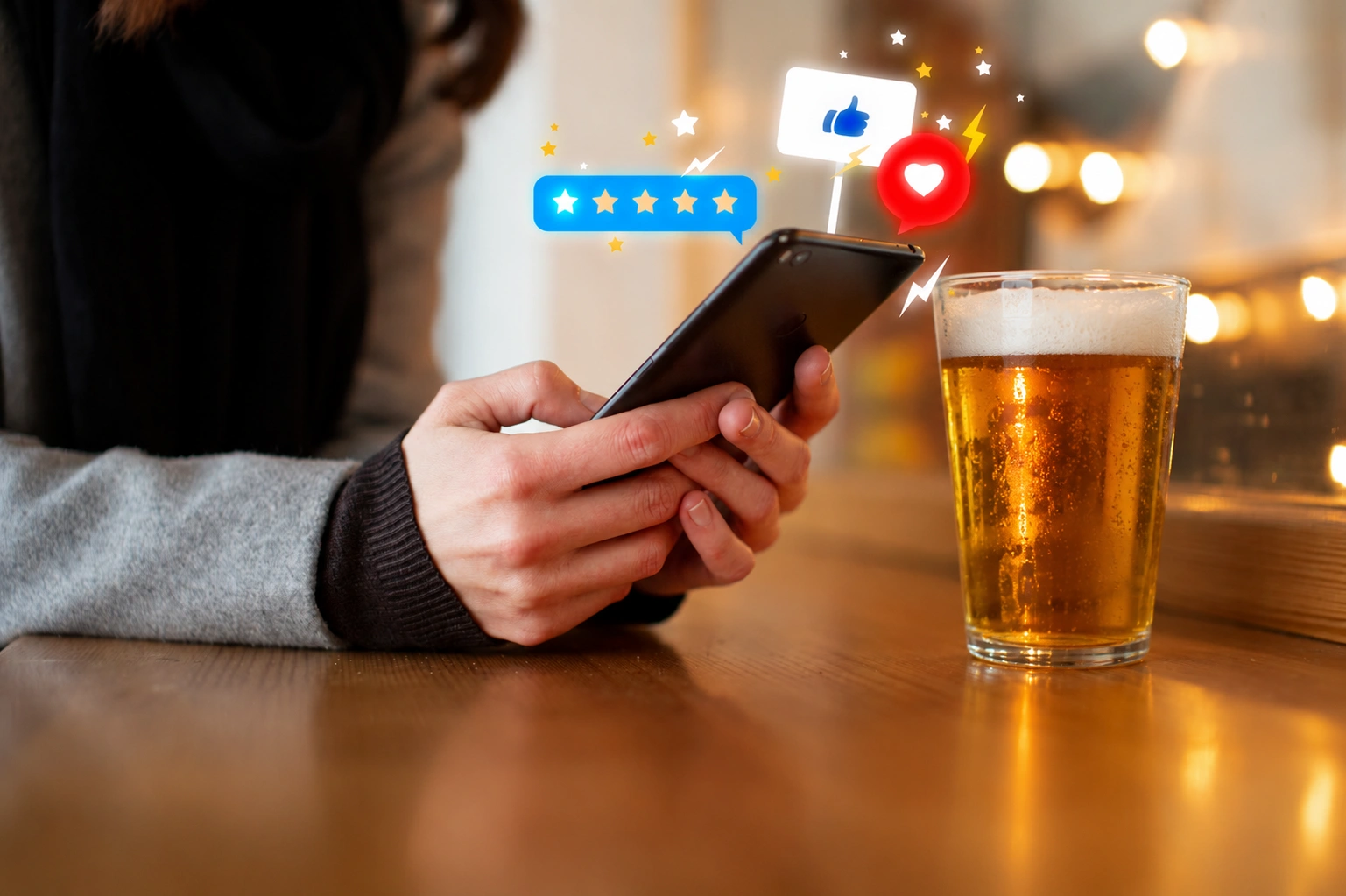
Google Business Profile for Breweries: The Complete 2026 Optimization Guide
How to set up, optimize, and maintain your brewery's Google Business Profile to dominate local search and drive foot traffic in 2026.
How to Make Your Brewery Visible in AI Search: A GEO Guide for Craft Breweries
How craft breweries can use Generative Engine Optimization (GEO) to stay visible in AI-powered search results in 2026