Microbrewery Marketing in a Shrinking Distribution Market: What to Do When Shelf Space Disappears

Share the раgе:
TL;DR Microbreweries, which produce up to 15,000 barrels annually and sell at least 75 percent of their output through distribution, have experienced the steepest decline of any brewery segment in 2024 and 2025. Distributor interest is tightening, retail shelf space is contracting, and the segment faces a three percent drop in brewery count by mid-2025. Yet the market is not contracting in dollar terms: retail dollar sales grew three percent to $28.9 billion in 2024, which means surviving microbreweries are capturing more revenue per barrel. This article covers the digital marketing strategies that help microbreweries differentiate their brand in a crowded distribution landscape, develop direct-to-consumer channels, and capture demand from closing competitors.
Introduction: The Distribution Squeeze and the Marketing Response
For most of the last decade, distribution was a microbrewery's primary growth lever. Get the beer into more retail accounts, more restaurants, and more bars, and revenue would follow. That model is under severe pressure in 2026. Distributors are rationalising their portfolios toward fewer, larger brands. Retailers are reducing SKU counts on shelf. Consumers are increasingly choosing taproom experiences over packaged beer purchased at retail.
The microbreweries that are surviving and growing in this environment are not the ones trying harder at the same distribution playbook. They are the ones investing in brand differentiation that makes their beer worth seeking out rather than just available on a shelf, building direct-to-consumer channels that reduce distributor dependence, and using digital marketing to capture the demand that closing competitors leave behind in local markets.
What Does the Microbrewery Segment Face in 2024 to 2026?
The data for microbreweries is the most challenging of any brewery segment. Microbrewery count dropped three percent by mid-2025, the steepest decline among all brewery types. Craft beer production volume declined approximately five percent year-over-year in 2024. Distributor portfolios are shrinking as major distributors prioritise brands with higher velocity and national recognition that moves faster off retail shelves.
At the same time, retail dollar sales grew three percent to $28.9 billion in 2024. Consumers are drinking less beer per capita, with Canadian per capita consumption down 27 percent since 2008, but spending more per purchase on premium options. This creates a specific opportunity for microbreweries: the consumer who buys fewer but better craft beers is a high-value target, and digital marketing can reach them directly rather than waiting for distributor decisions to determine visibility.
Key Takeaway: Volume is down but value is up. The microbreweries winning in 2026 are not the ones competing on distribution volume. They are the ones building premium positioning, direct-to-consumer channels, and brand recognition that makes retailers and consumers seek them out rather than waiting to be discovered on a crowded shelf.
How Can Microbreweries Differentiate Their Brand in a Crowded Distribution Landscape?
Brand differentiation for microbreweries in distribution is fundamentally a content and SEO problem. When a buyer at a retail account or a consumer scanning a shelf encounters your beer, they often search for it before or after purchase. A microbrewery with a strong website, active content program, and well-developed brand story converts that curiosity into loyalty and repeat purchase. A microbrewery without that digital presence misses the conversion entirely and loses the customer to the next brand on the shelf.
Brand differentiation in distribution also works through trade marketing: the materials, education, and support you provide to retail staff and distributors who are deciding which beers to recommend. Digital assets including product sheets, brand videos, and well-structured website content serve double duty as both consumer-facing and trade-facing differentiation tools, requiring one investment to serve two audiences simultaneously.
Key Takeaway: Beer style authority is the most durable brand differentiation strategy for microbreweries because it creates a specific, searchable identity that neither distributors nor retailers can replicate. A microbrewery known as the definitive West Coast IPA producer in its region has a clearer value proposition for shelf placement than one that produces 12 interchangeable styles at similar quality levels.
What Direct-to-Consumer Channels Should Microbreweries Develop?
Direct-to-consumer (DTC) channels reduce a microbrewery's dependence on distributor decisions and retail account relationships, while generating higher margins per unit than distributed sales. The most accessible DTC channels for microbreweries are on-site taproom sales, e-commerce beer shipping where state law permits, beer club subscriptions, and brewery-direct crowler and growler fill programs.
State-by-state direct shipping laws vary significantly, and some markets that were not viable for microbrewery DTC shipping two years ago have become viable following recent regulatory changes. Staying current on self-distribution and direct shipping regulations in your state is a necessary part of DTC channel strategy for microbreweries in 2026, because the legal landscape continues to evolve in ways that create new revenue opportunities.
Key Takeaway: A beer club subscription with 100 members at $30 per month generates $3,000 in recurring monthly revenue that does not depend on distributor portfolio decisions, retail reorder cycles, or shelf space availability. This predictable revenue base provides the financial stability that allows microbreweries to invest in marketing and product development during distribution challenging periods.
How Can Microbreweries Capture Demand from Closing Competitors?
Every microbrewery that closes leaves behind active customers, retailer relationships, and search demand that was previously going to that brand. The operators that capture this demand most effectively are the ones with strong local digital marketing programs already in place when the closure occurs. Speed matters: the first microbrewery to rank for the geographic market and customer segment left behind by a closure typically holds that position long-term.
Paid search is the fastest mechanism for capturing competitor demand. Running geo-targeted ads within a 10-mile radius of a closed competitor's production facility and primary retail accounts can produce measurable distribution lift within 30 to 60 days of the closure becoming public. Content marketing and local SEO produce the durable, long-term demand capture that compounds over time and does not require ongoing paid spend to maintain.
Key Takeaway: When a competitor microbrewery closes, act within 30 days. Update your Google Business Profile with relevant categories, publish content targeting their former geographic market, and run a short burst of paid search capturing their brand plus location keyword traffic. The window for capturing redirected demand is widest in the first 60 days after a closure becomes widely known.
Frequently Asked Questions
Is the microbrewery model still viable in 2026?
Yes, but the path to viability has narrowed. Microbreweries that combine distribution with some form of direct-to-consumer channel, whether that is a taproom, a beer club, or direct retail relationships, are significantly more resilient than pure distribution-only models. The consolidation data shows that the microbreweries exiting the market are disproportionately those with no DTC component and no differentiated brand positioning that commands distributor and retailer attention.
Should microbreweries reduce distribution and open a taproom instead?
This is a capital and operational decision that depends on the specific brewery's situation, physical space, and local market. However, the market data is clear: taproom and brewpub models are outperforming distribution-focused microbreweries by one to two percentage points across the board in 2024 and 2025. If a taproom addition is feasible at or near the production facility, the marketing ROI of adding on-site sales is well supported by current industry data.
How do I get my microbrewery in front of retailers when distributors are not prioritizing my brand?
Build a trade marketing digital presence that distributors and retailers can reference independently of your sales team. This includes a professional product website with detailed beer specifications and awards, a brand story that gives retail staff something to talk about with customers, active social media showing production quality and community, and a Google Business Profile for the production facility. Retailers who receive customer enquiries about your beer are far more likely to stock it if the brand has a credible and compelling digital presence.
What is the most cost-effective digital marketing investment for a microbrewery with a limited budget?
Local SEO and content marketing provide the highest long-term ROI for microbreweries with limited budgets. A well-structured website with two to four articles per month targeting the brewery's geographic market and signature beer styles will generate compounding organic traffic within six months. This is significantly more cost-effective than paid advertising for a brand building distribution presence rather than promoting a specific event or time-sensitive offer.
Conclusion: Distribution Is a Channel, Not a Complete Strategy
Microbreweries that treat distribution as a complete marketing strategy are the ones exiting the market at a three percent annual rate. The ones that treat distribution as one of several revenue channels, supported by strong brand differentiation, active digital marketing, and growing direct-to-consumer programs, are the ones capturing more revenue per barrel in a market where surviving breweries are commanding higher prices than they were two years ago.
The consolidation is not over, and the operators who invest in their digital presence now will be positioned to capture the demand that the next round of closures releases into the market. Ready to build a digital marketing strategy that supports your microbrewery's distribution and DTC channels simultaneously? Explore our SEO & AI Optimization, Content Marketing, and Paid Advertising services.
Sources
Brewers Association, 2024 Industry Production Report
Brewers Association, The 2025 Year in Beer (Dec 2025)
Beverage Industry, 2026 Beer Market Report (Feb 2026)
Craft Brewing Business, Market Analysis (2025)
Washington Post, The Craft Beer Boom Is Over (Mar 2026)
Beer Canada, Industry Trends Reports
Stay Ahead - Subscribe Now!
You may also be interested

Brewery Social Media Strategy for 2026: Instagram, Facebook, and When to Bother with TikTok
A platform-by-platform social media strategy for taproom breweries and brewpubs in 2026, covering Instagram, Facebook, and TikTok with content mix ratios and posting cadence

Brewery Content Marketing in 2026: What to Publish, When, and Why It Works
What to publish, when to publish it, and why a structured content marketing program is the highest-ROI long-term investment available to brewery operators in 2026
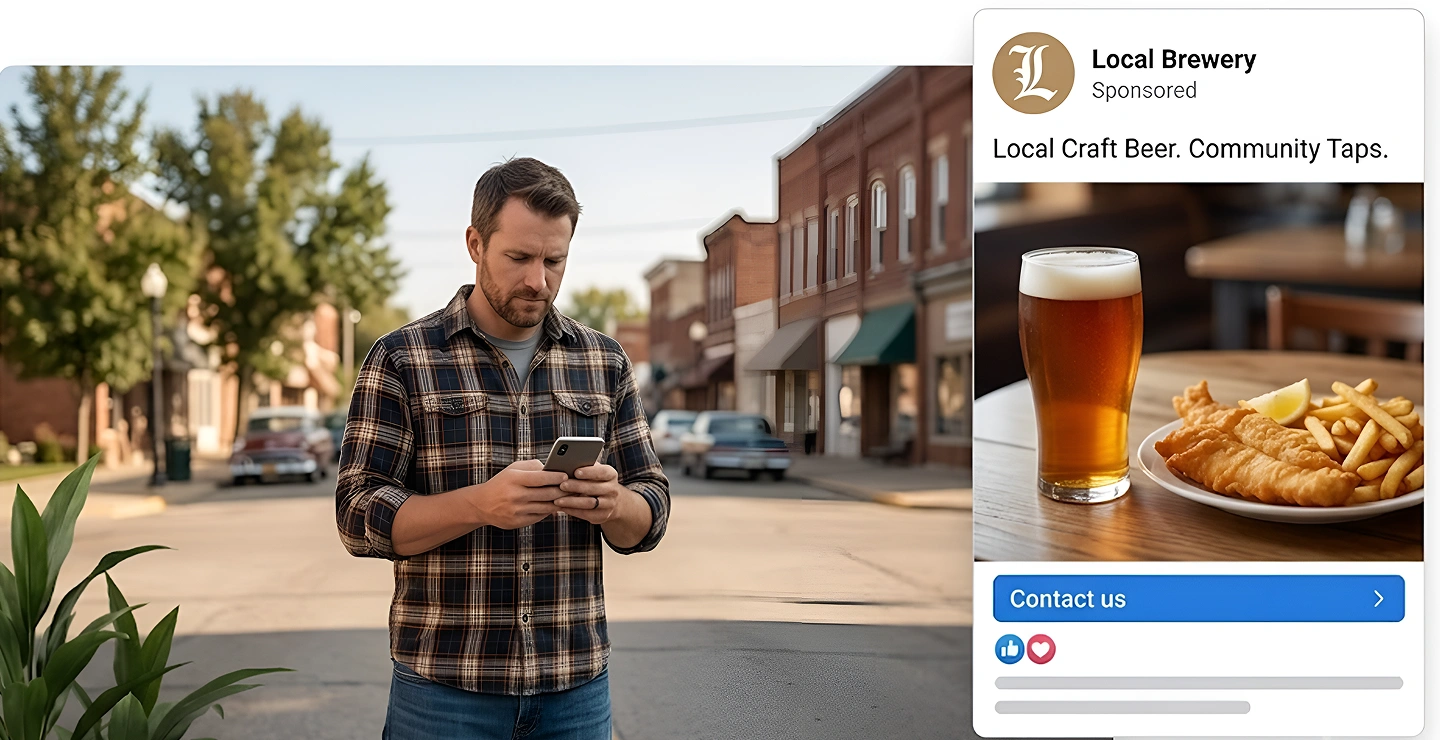
Meta Ads for Breweries: A Geo-Targeted Playbook for Taprooms and Brewpubs
A geo-targeted Meta advertising playbook for taproom breweries and brewpubs covering campaign structure, audience targeting, ad formats, and budget guidance for 2026


Multi-Location Brewery SEO: How Regional Craft Breweries Rank in Every Market
How regional craft breweries operating multiple taprooms can build an SEO architecture that ranks independently in every local market without cannibalizing results.
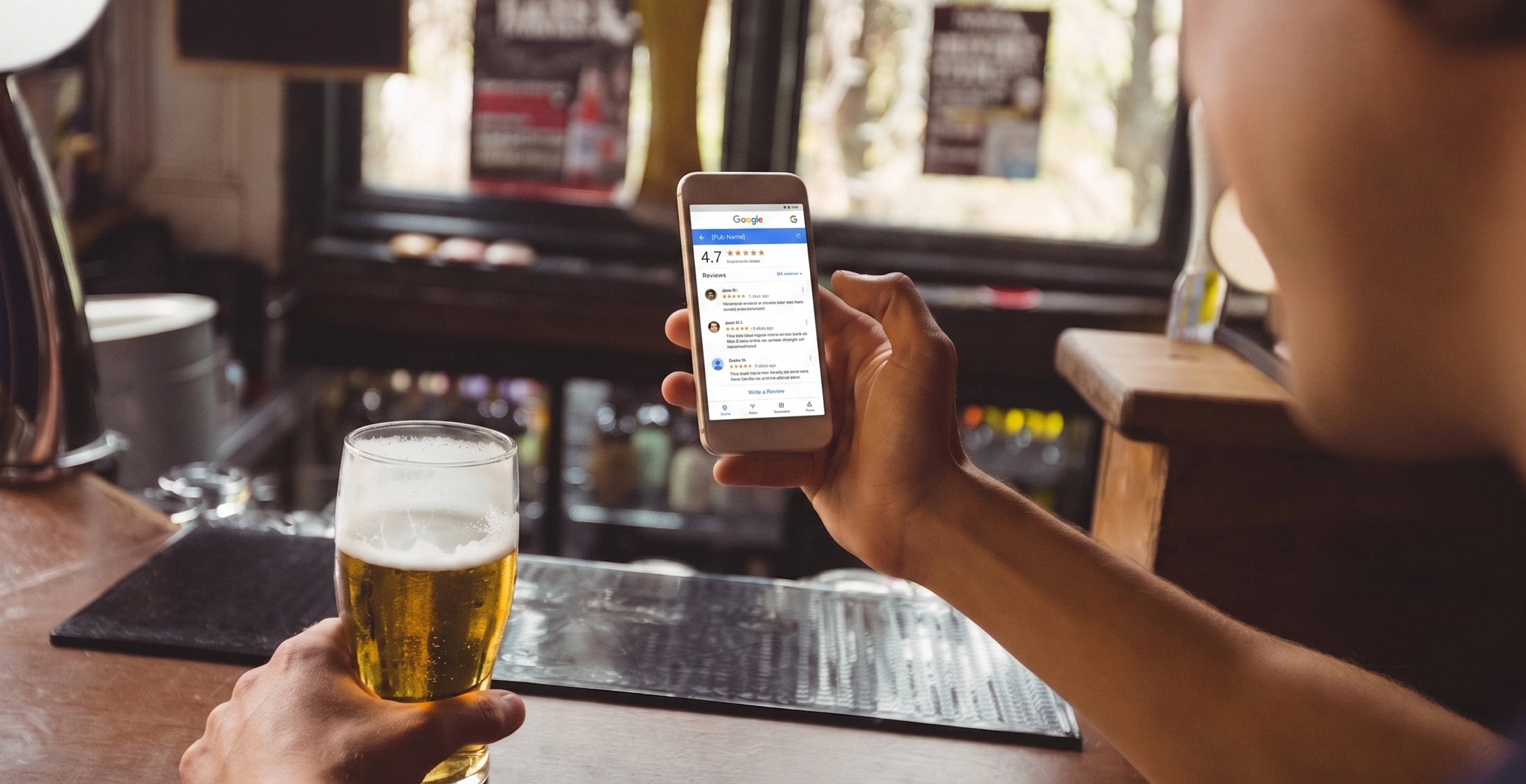
Brewery Review Marketing: How to Turn Guest Feedback into Local Search Fuel
Google reviews are the number two local ranking factor for breweries. Learn how to generate, respond to, and optimize reviews for local search and AI search visibility.

Google Business Profile for Breweries: The Complete 2026 Optimization Guide
How to set up, optimize, and maintain your brewery's Google Business Profile to dominate local search and drive foot traffic in 2026.